Article
What ten years of building a creative team across two continents taught me
Talent is everywhere. Reliable systems are not.

Co-founder and CEO
· 3 min read
Key takeaways
- Great creative talent is spread across the world. What's uneven is access to clients and the systems around the work.
- Clients don't pay for talent on its own. They pay for knowing the work will arrive on time and on brand.
- Structure (briefs, ownership, quality checks, visible progress) is what makes a distributed team dependable.
- Trusting people with real responsibility early, with a system to catch mistakes, is how they grow into it.
Contents
I started Workspace in 2015 with my co-founder, Aba, and one belief I still hold: talent is evenly spread across the world, opportunity isn't.
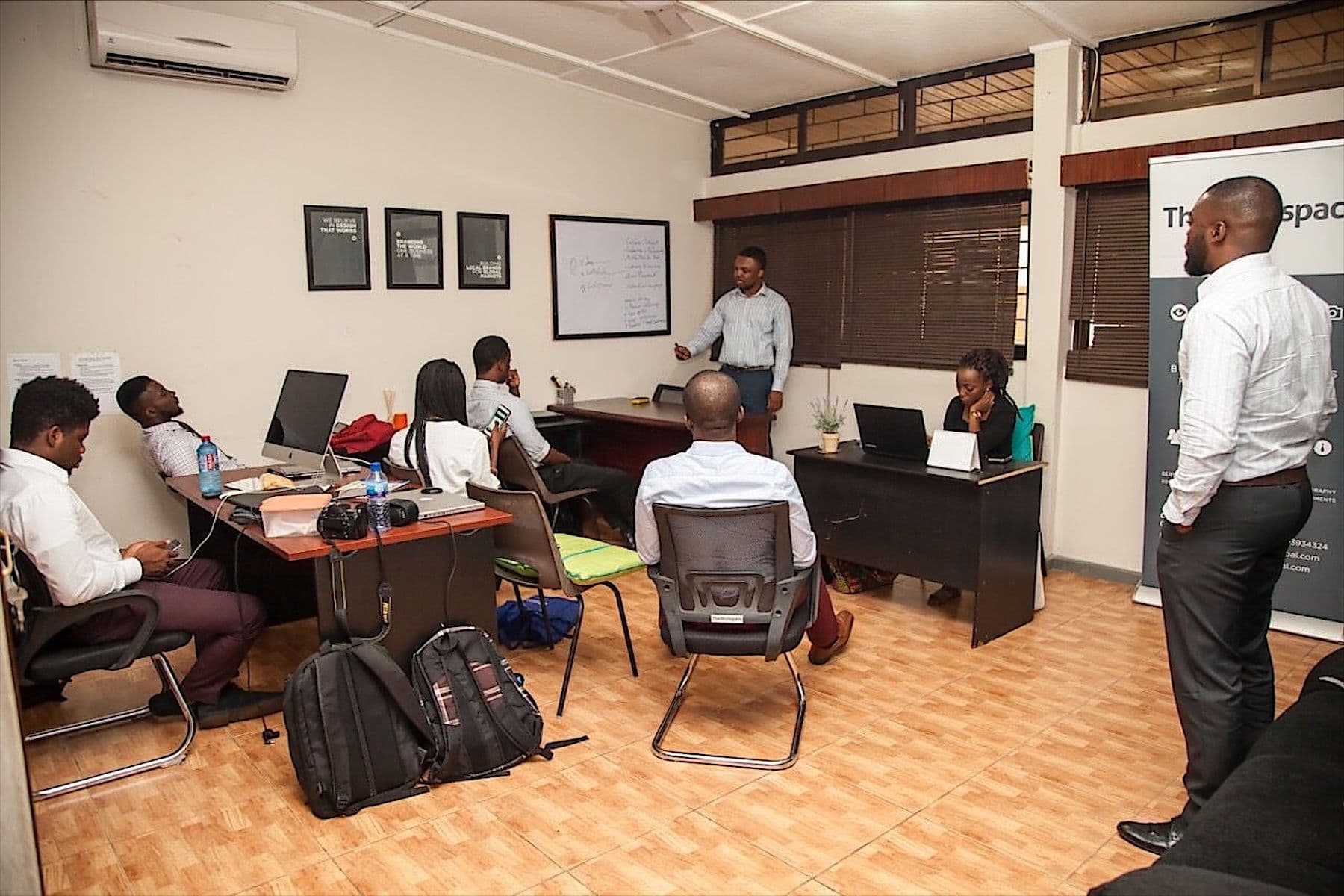
In the early days we ran training sessions in Accra in rooms full of laptops. The young designers in those rooms were every bit as good as people I'd later meet in London studios. What they didn't have was access. The clients, the briefs, the trust.
Aba and I now live between London and Accra, and anyone who has lived between Africa and Europe will know that switch is felt in the body. In Accra, life is shared. In London, it's just us. I mention it because the same tension sits inside the business. Where work happens matters far less than how it's held together.
Ten years and more than 700 client teams in 22 countries later, these are the lessons that stuck.
Talent was never the hard part
People sometimes ask, carefully, whether quality is a risk with a distributed team. I understand why. But in a decade, talent has never been our biggest problem. Some of the most gifted designers, illustrators and developers I know have never set foot in a traditional agency. What was missing was the bridge between their skill and the businesses that need it.
Clients pay for reliability
This took me longer to learn than I'd like to admit. A brilliant design delivered two days late is a problem for a marketing lead with a launch. A beautiful piece that's off-brand is another round of feedback. What clients actually value is knowing the work will arrive on time, on brief and on brand, every single time.
So the number I watch most closely isn't revenue or client count. It's on-time delivery, which sits at 97%.
Systems make distance disappear
Early on, we tried to fix quality by finding better people. It helped a little. What helped far more was structure: a proper brief for every request, a project manager who owns each client, art directors who check everything before it's sent, and one place where everyone can see what stage the work is at. Once that was in place, it stopped mattering much where anyone was sitting.
It also helps that Accra and London share almost the same clock. People are often surprised by that.
Trust people before they feel ready
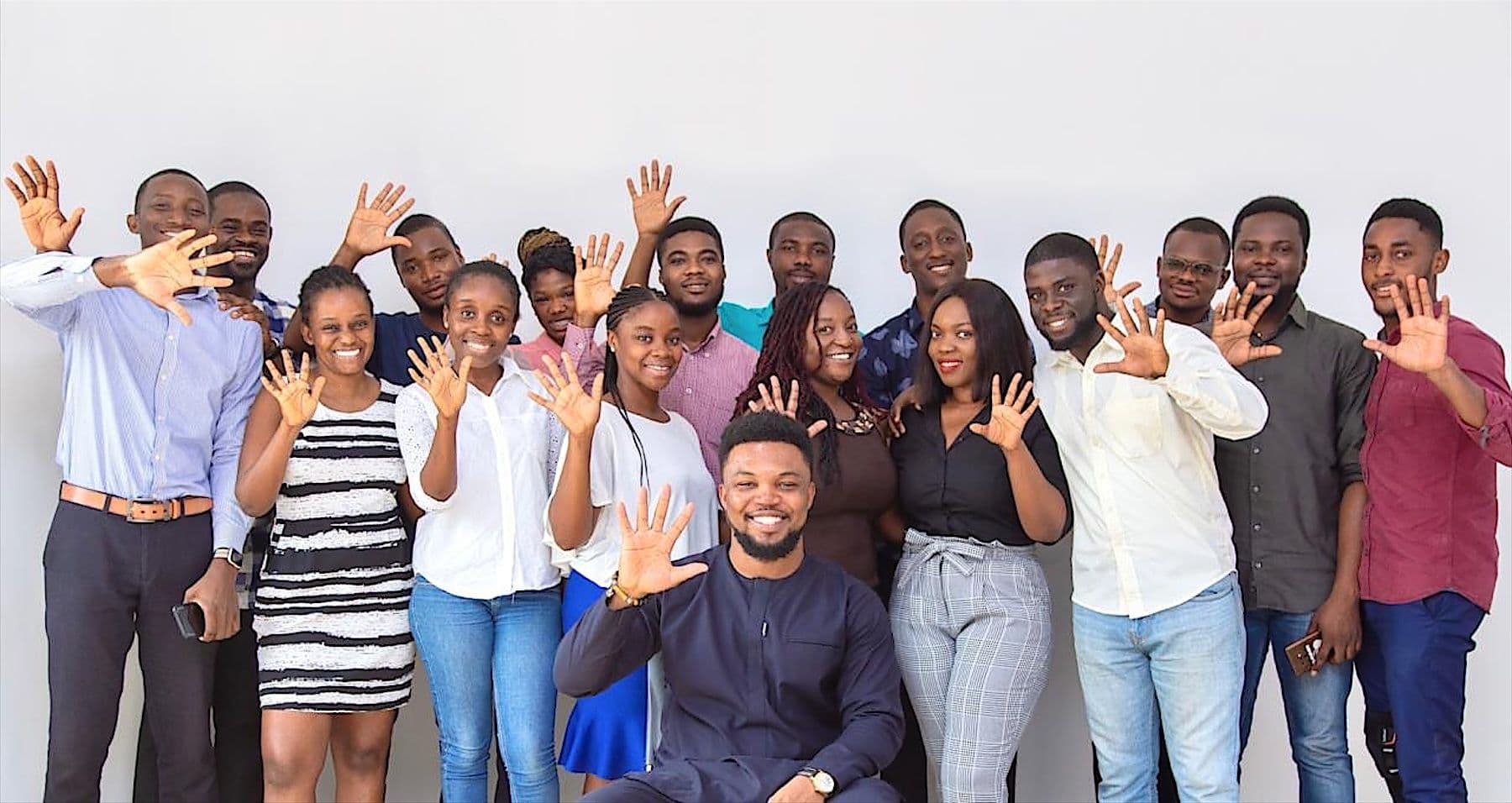
In 2021 I took a part-time growth role at a fast-growing organisation, and my manager there, Veronica, changed how I think about leadership. She handed me things that mattered before I felt ready, then stepped back. I've tried to do the same at Workspace. People who joined us as junior creatives now lead work for international clients, because they were trusted with real responsibility and had a system around them to catch mistakes.
I'll be honest: letting go is still the hardest part for me. I've caught myself holding on to work other people could carry, telling myself it was leadership when it was really control. A business held by one pair of hands can only grow as fast as those hands.
If you're hiring creative help
Whoever you work with, don't only ask whether they're talented. Ask how the work moves. How briefs are taken, who checks quality, how you'll know where things are, and what happens when something runs late. Talent gets you one great piece. Systems get you great work every week.
That's what we've spent ten years building. If you'd like to see how it would work for your team, book a call. And if any of this resonated, I'd love to hear from you.
Questions, answered.
Can a remote creative team be reliable?
Yes, when the team has proper systems: structured briefs, clear ownership, quality checks and visible progress. At Workspace, 97% of work is delivered on time.
Who founded Workspace Global?
Workspace Global was founded in 2015 by Sydney Scott Sam and Nana Aba Wilson-Sam. It operates in the United Kingdom and Ghana and has worked with 700+ teams in 22 countries.

About the author
Co-founder and CEO
Sydney Sam is co-founder and CEO of Workspace Global, which has given growing teams on-demand creative support since 2015. Sydney writes about creative operations, leadership and building teams across the UK and Ghana.
LinkedInKeep reading
Article
What is a design subscription, and is it worth it?
A design subscription gives you an ongoing creative team for a fixed monthly fee. How it works, what “unlimited” really means, and who it suits.
Sydney Sam · · 3 min read
Article
How agencies take on more work without hiring: overflow and white-label design
Agencies rarely lose margin on the work they bill. They lose it on rework and production their seniors absorb. How overflow and white-label support fix that.
Sydney Sam · · 2 min read

Article
60% of creative briefs arrive incomplete: what our request data shows
60% of briefs arrive incomplete, the median turnaround is 3 days and requests take up to 4 revision rounds. What our data shows, and what to do about it.
Sydney Sam · · 3 min read